“`html
Why Hearing Tests Matter for Military Pilots
Military pilot hearing test failure is more common than you’d think. I’ve watched several highly qualified aviators face this exact setback, and the experience can feel like the end of a flying career—but it absolutely isn’t. The Class 3 medical certificate requires specific hearing thresholds because cockpit communication directly impacts safety. At 500 Hz, 1000 Hz, 2000 Hz, and 3000 Hz, the Air Force and Navy typically require air conduction thresholds no worse than 25 dB HL in at least one ear. Some branches are stricter. Miss that standard, and your medical certificate gets suspended pending an appeal or waiver. No exceptions.
Why does this matter so much? Pilots need to hear radio chatter clearly, catch warnings from crew members, and identify mechanical sounds indicating problems. A pilot who can’t distinguish a radio call from background noise becomes a liability—not just to themselves, but to the entire mission. The standards exist because they work. Full stop.
Here’s what surprised me when researching this: the failure rate at military flying schools sits around 8–12%, depending on the branch and pilot age. That’s not rare. That’s a predictable subset of otherwise qualified aviators encountering a solvable administrative problem. Age plays a role. Noise exposure from years in the cockpit or previous military service plays another. Sometimes it’s genetics. Sometimes it’s one bad test day. Sometimes both ears cooperate and sometimes they don’t. The point is you’re not alone, and the appeals system exists precisely because military aviation recognizes that a single audiogram shouldn’t end careers.
What Happens Immediately After Failing Your Audiogram
Probably should have opened with this section, honestly. The hours right after failing are when panic clouds judgment. Here’s the timeline you’re facing.
Within 24–48 hours of a failed audiogram, your Flight Surgeon or Aerospace Medical Examiner will contact you. They’ll inform you that your medical certification is being suspended pending further evaluation. You will not fly while this is active. Not simulator time. Not proficiency flights. Not even ferry flights. This is non-negotiable, and attempting to fly violates federal regulation and could destroy your ability to appeal. I’ve seen this happen to someone I knew. Don’t be that person.
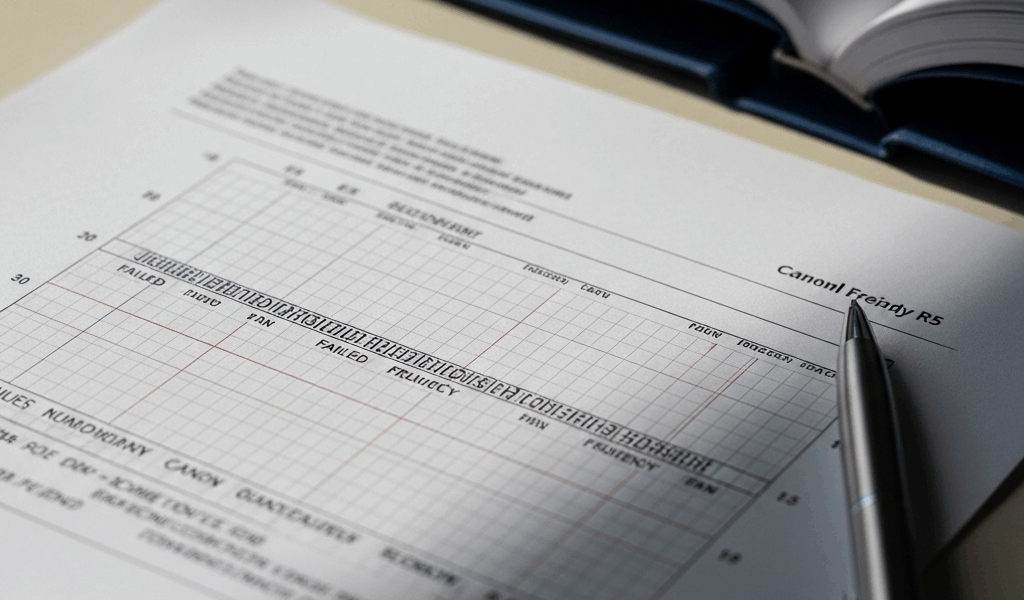
Your next move—and do this within one week—is requesting your complete audiogram records from the testing facility. Don’t accept a summary. Request the full raw data: air conduction thresholds at 500 Hz, 1000 Hz, 2000 Hz, 3000 Hz, 4000 Hz, 6000 Hz, and 8000 Hz for both ears, bone conduction results, speech discrimination scores, and tympanometry results. Some clinics will email this to you in 24 hours. Others require a signed release form and take five business days. Budget one week for this step, then follow up if nothing arrives.
During these two weeks, contact your branch’s Aeromedical office and request the waiver package instructions. Different branches have different forms and submission procedures. The Air Force uses completely different paperwork than the Navy. The Army uses something else entirely. This request signals that you’re taking the appeal seriously and prepares you for what documentation they’ll actually need. It also gets you on their radar before you submit anything.
What you should not do: Don’t complain to other pilots that the test was wrong. Don’t speculate about equipment malfunction online. Don’t assume one failed test is permanent. Don’t delay requesting your records or assume your Flight Surgeon will automatically send them to you. They won’t.
Step-by-Step Appeal and Waiver Process
The appeal process is mechanical once you understand the moving parts. This is the bridge between failure and potential reinstatement.
Step One: Obtain Complete Records
You already did this above. You have your full audiogram in hand. Print it. Keep two physical copies. One goes into your waiver package. One you keep for reference during subsequent appointments. Don’t rely on digital versions only—print everything.
Step Two: Schedule an Independent Follow-Up Audiogram
This is critical. Within 10–14 days of your initial failure, schedule a second audiogram with a civilian audiologist in your area. Why not use military audiology again? Military facilities sometimes use older equipment or testing protocols that differ from civilian standards — equipment like the Interacoustics AC40 versus newer systems. An independent result from a reputable civilian clinic certified by the American Speech-Language-Hearing Association strengthens your appeal by showing either confirmation of findings or potential variability in testing conditions. Expect to pay $150–$300 out of pocket for this test. Many aviators find this money worth absolute certainty. Call ahead — some clinics book out weeks in advance.
Step Three: Gather Supporting Medical Documentation
Your Flight Surgeon will want context. Request records from previous audiograms if available — showing progression or stability matters more than the current result. Obtain any notes from occupational health visits related to noise exposure. Request records from your primary care physician noting any ear infections, cerumen impaction, or temporary conductive issues during the test window. If you were sick, fatigued, or medicated during the initial test, document that with your provider in writing. Get everything on official letterhead.
Step Four: Request Official Waiver Package Instructions
Contact your branch’s Aeromedical office directly. The Air Force directs submissions through the Aerospace Medicine Consultants in San Antonio. The Navy uses the Naval Aeromedical Institute in Pensacola. The Army uses the Army Aeromedical Center in Fort Rucker. Each has specific forms. Each has different submission timelines. Getting this information early prevents delays caused by resubmitting incorrect paperwork. Plan for a 4–12 week total timeline from submission to decision. Call them. Don’t email first.
Step Five: Submit Through Proper Channels
Never email a waiver package to your Flight Surgeon with hopes they’ll forward it. Contact your branch’s aeromedical office, learn their submission method — some require wet signatures, some accept PDF submissions — and submit according to their protocol. Include a cover letter stating your intent to appeal, your current flying status, and the reason for the submission. Keep documentation of submission date and confirmation of receipt. Screenshot the confirmation. Save the email. You need proof this arrived.
Documentation That Strengthens Your Appeal
Your appeal lives or dies on documentation. Here’s what decision-makers actually evaluate.
The Second Audiogram
Most important. A civilian audiogram showing similar or better results than military testing validates the military result and suggests the standards application is appropriate. A civilian audiogram showing better results raises questions about testing methodology and opens discussion for retesting under different conditions. This is where having both results matters tremendously.
Proof of No Progression
If you have baseline audiograms from five or ten years ago, submit them alongside current results. Showing that your hearing has been stable — rather than declining — changes the risk calculus for flight status. The military is less concerned about absolute thresholds if you’ve maintained them over time. A pilot with 28 dB HL thresholds for ten years looks different than a pilot who dropped from 15 dB HL to 30 dB HL in two years.
Occupational Context
Include a statement from your supervisor noting your actual performance in the cockpit. Have you maintained situational awareness? Have other crew members reported communication difficulties? Has your performance been satisfactory? This real-world evidence matters because the audiogram is a proxy for function, not function itself. A pilot who struggles with one specific frequency band but maintains perfect radio clarity may have grounds for waiver based on occupational performance. Performance matters more than numbers sometimes.
Branch-Specific Form Documentation
The Air Force requires a Statement of Concerns from your Flight Surgeon, plus audiometric report documentation, plus waiver request form (AFCD 160). The Navy requires audiometric data plus a clinical summary from their audiologist plus waiver request form (NAVMED 1300/2). Army Aviation requires separate documentation depending on whether you’re pursuing warrant officer status or commissioned officer aviation roles. Different categories, different requirements. Get the specific forms before you compile your package. Don’t guess.
What Branch-Specific Options Exist
Not all military aviation requires identical hearing standards. Understanding your branch’s alternatives changes whether an appeal is even necessary.
Air Force
Fighter pilots and transport pilots have identical Class 3 hearing standards. If you fail as a pilot, your waiver request goes through the Aerospace Medicine Consultants office. However, if you hold a rated commission, you may transition to non-pilot officer aviation roles — air battle manager, cyberspace officer, special operations officer. Different roles entirely. These positions don’t require Class 3 medical certification. This isn’t mentioned in most appeals discussions, but it’s a real option if hearing remains below standards after multiple appeals. Many pilots don’t know this pathway exists.
Army Aviation
Warrant officer pilots have stricter hearing standards than commissioned officer aviation roles — the gap is actually significant. If you’re pursuing warrant officer flight status and fail hearing, you have one path: appeal or request reclassification. However, if you’re a commissioned officer, certain Army aviation roles (aviation officer, air defense officer) carry medical standards that can accommodate borderline hearing results. I’ve seen officers successfully transition to these specialties while maintaining military aviation roles. It’s not the same job, but it’s aviation.
Navy
Naval aviators and flight officers share the same Class 1 medical standards initially. If you fail hearing, your appeal goes through Naval Aeromedical Institute in Pensacola. However, the Navy has flight officer positions (electronic warfare officer, combat information center officer) that don’t require Class 1 medicals if they’re shore-based or carrier-based in non-piloting roles. Hearing standards for these positions differ significantly. Shore-based positions especially have different requirements.
Understanding these branch-specific pathways means your appeal can be strategic. You’re not just fighting to keep your original role. You’re identifying which aviation roles remain available to you given your hearing profile. That knowledge shapes your waiver request language and timing. It also tells you when appeal might not be necessary.
The process feels long. Four to twelve weeks is accurate for most decisions. But during that time, you’re not finished with military aviation — you’re navigating a solvable administrative problem with strategic documentation. Request your records today. Schedule your independent audiogram this week. Your flying career isn’t over. It’s just on pause while the paperwork catches up.
“`


Leave a Reply