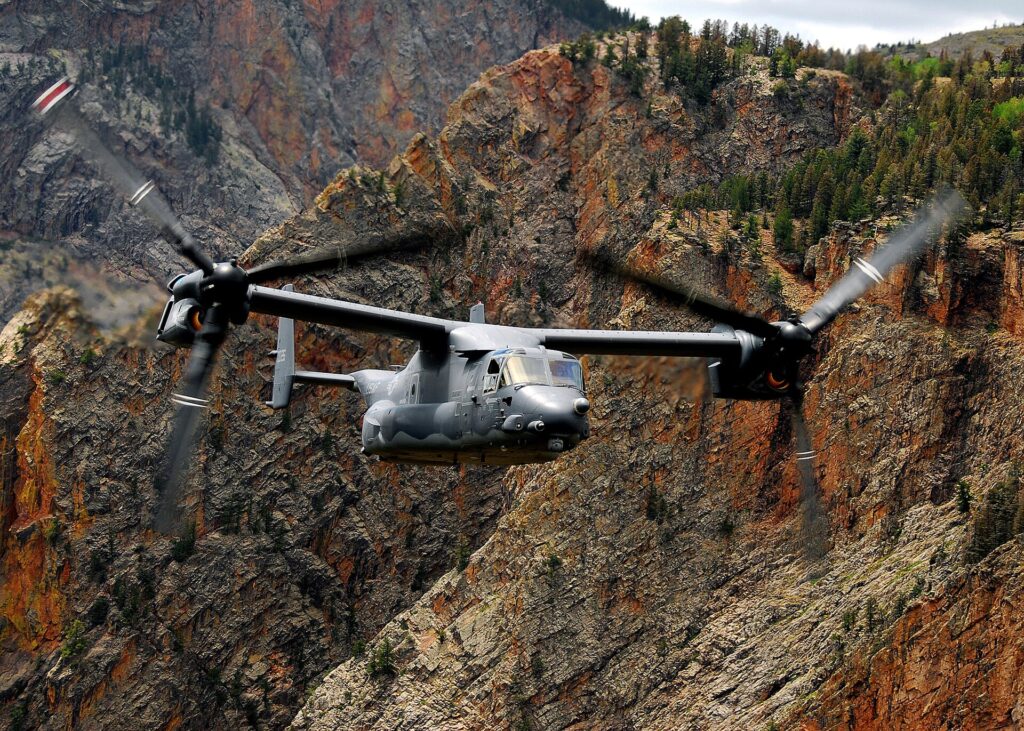
U.S. Air Force CV-22 Osprey in flight. U.S. Air Force photo/Staff Sgt. Markus Maier Image source · Public domain
Special operations aviation has gotten complicated with all the mission demands and platform evolutions flying around. As someone who’s followed the special operations community for years and had conversations with pilots about what makes this flying so different, I learned everything there is to know about these elite aviators. Today, I will share it all with you.
Special operations aviation represents the most demanding flying in military aviation. These elite pilots insert and extract special forces teams, conduct precision strikes, and operate in conditions that would ground conventional aircraft. That’s what makes this community so exceptional.
Air Force Special Operations
Air Force Special Operations Command flies the CV-22 Osprey, AC-130 gunship, MC-130 special operations tankers, and other specialized aircraft. These platforms support Army Special Forces, Navy SEALs, and other special operations units with infiltration, fire support, and resupply missions.
Probably should have led with this section, honestly. The AC-130 gunship carries devastating firepower, circling above battlefields while precision weapons provide close air support. Gunship crews work in complete darkness, using sensors to identify targets and deliver ordnance within meters of friendly troops. The precision required here is extraordinary.
Army Special Operations Aviation
The 160th Special Operations Aviation Regiment, known as the Night Stalkers, flies MH-60 Black Hawks and MH-47 Chinooks modified for special operations. These crews specialize in low-level flight using night vision goggles, inserting teams into hostile territory with precision timing. That’s what makes the Night Stalkers legendary.
Night Stalker selection is intensely competitive. Candidates must demonstrate exceptional flying skills, physical fitness, and psychological resilience. The assessment and selection process washes out most applicants before the real training begins. Pilots I’ve spoken with describe it as the hardest thing they’ve ever done.
Mission Profiles
Special operations missions often involve extreme risk. Pilots fly into heavily defended areas, land in confined spaces without markers, and execute precise timing that special operations teams depend upon for survival. A minute late can mean mission failure or worse. The pressure is constant and unforgiving.
Training prepares crews for these demands through realistic scenarios that push aircraft and personnel limits. Live fire exercises, complex multi-aircraft operations, and joint training with ground forces build the integration essential for success.
Career Path
Most special operations pilots come from conventional units after proving themselves in operational squadrons. Selection boards review records and conduct interviews before accepting candidates into demanding training programs that further thin the ranks. The ones who make it through earn their place in an elite community with a remarkable track record of mission success.



Leave a Reply