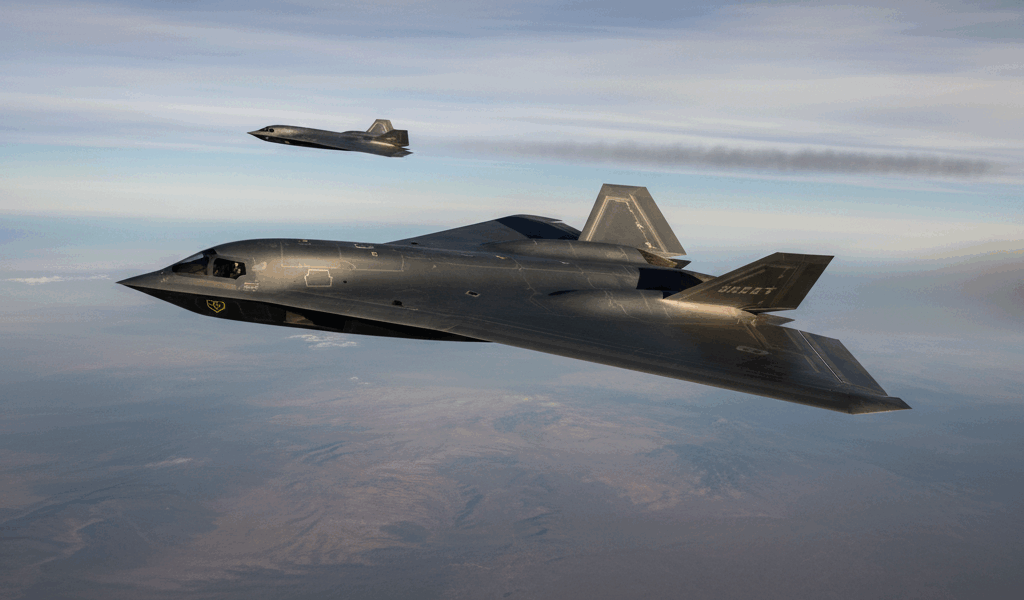
B-21 Raider Completes First Supersonic Flight Test Over Edwards AFB
Stealth bomber development has gotten complicated with all the secrecy and competing national priorities flying around. As someone who’s followed the B-21 program from its classified origins to its public rollout, I learned everything there is to know about what this aircraft means for American airpower. Today, I will share it all with you.
Northrop Grumman’s B-21 Raider stealth bomber achieved a major milestone last week when the aircraft completed its first supersonic flight during testing at Edwards Air Force Base. The successful test demonstrates the aircraft’s ability to operate across a wider performance envelope than initially disclosed. That caught a lot of us by surprise – the Air Force has been pretty tight-lipped about specific performance parameters.

While specific performance data remains classified, Air Force officials confirmed that the second test aircraft successfully exceeded Mach 1 during a high-altitude flight profile. The test lasted approximately three hours and validated several structural and propulsion system parameters. That’s what makes this milestone so significant – it shows the design has more capability than the public messaging suggested.
“The B-21 continues to meet or exceed all performance requirements,” said Secretary of the Air Force Frank Kendall during a Pentagon briefing. “This aircraft represents a quantum leap in bomber capability and will anchor our strategic deterrent for decades.” When the Secretary uses words like “quantum leap,” he’s not exaggerating – the engineers I’ve spoken with describe this as a generational advancement.
Probably should have led with this section, honestly. The B-21 Raider is designed to penetrate the most advanced integrated air defense systems in the world. Its low-observable characteristics, combined with advanced sensors and networking capabilities, make it a cornerstone of the Air Force’s future force structure.
Three test aircraft are currently flying at Edwards, with a fourth expected to join the program this spring. Initial operational capability remains on track for 2027, with the 509th Bomb Wing at Whiteman AFB, Missouri, designated as the first operational unit. Bomber pilots I’ve talked to are genuinely excited about the transition.

The Air Force plans to procure at least 100 B-21s to replace the aging B-1B Lancer and B-2 Spirit fleets. Each aircraft is estimated to cost approximately $700 million in current dollars, making it one of the most expensive weapons programs in Pentagon history. That’s a lot of money, but when you consider what it’s replacing and the capability it delivers, the value proposition makes sense.
Congressional support for the program remains strong, with both parties viewing the bomber as essential for maintaining strategic deterrence against peer adversaries. The House Armed Services Committee recently approved additional funding to accelerate production rates. Bipartisan support for major weapons programs is increasingly rare, which tells you something about how important Congress considers this capability.
Pilot selection for the B-21 program is already underway, with experienced bomber crews from B-1 and B-2 units competing for positions in the new aircraft. The competition for those seats is fierce – this is a career-defining opportunity for bomber aviators.


Leave a Reply