“`html
Military Pilot Dental Requirements and Disqualification
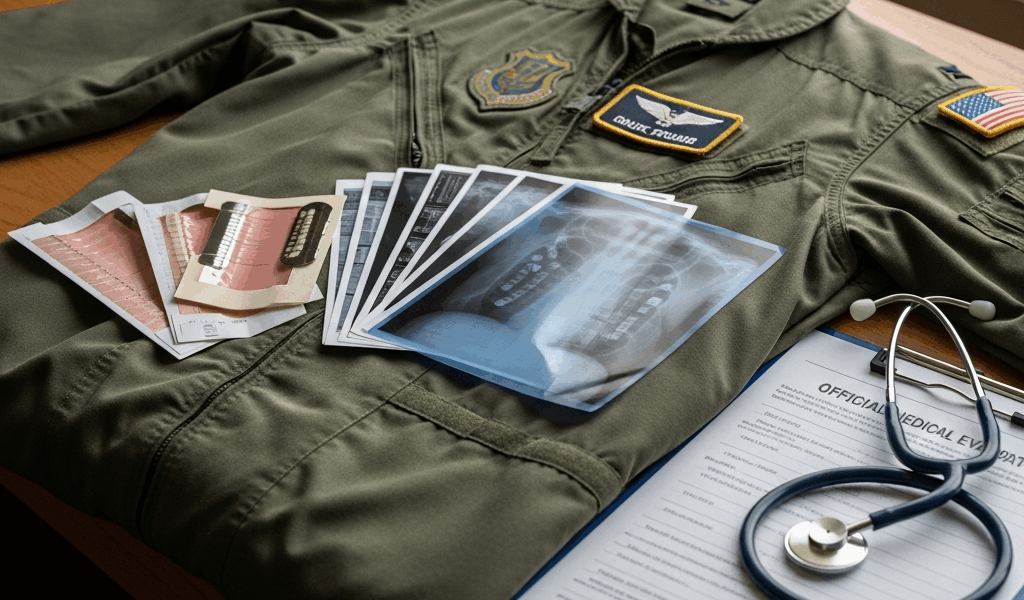
Eighteen months. That’s how long I spent navigating the medical evaluation process to become a military pilot, and honestly, dental standards trip up more candidates than anyone talks about. Most applicants fixate on vision and cardiovascular fitness, then show up to their flight surgeon appointment with untreated cavities or a mouth full of braces. Entirely preventable. The FAA Form 8500-8 — which governs pilot medical certification — contains specific dental language that directly impacts whether you’ll be cleared to fly. Miss these details, and you’re looking at disqualification or, at best, a waiver request that could delay your entire pipeline by months.
The military takes dental health seriously. Not because aviation dentistry is particularly complex, but because your teeth directly affect oxygen mask seal, radio communication clarity, and your ability to withstand g-force stress during high-performance flight. I learned this the hard way after discovering a cavity two weeks before my medical exam. Should have caught it earlier.
What Dental Issues Can Disqualify a Military Pilot
Certain dental conditions are automatic disqualifiers under FAA standards unless you secure a waiver. Understanding which ones actually matter — that saves you from showing up unprepared.
Missing teeth represent the most straightforward disqualifier. The FAA requires adequate dentition for proper nutrition and safe oxygen mask fit. One or two missing molars might be waiverable, depending on location and whether you have a functional bite. Front teeth missing? That’s typically non-waiverable. During g-force maneuvers sustained at 6-9g for some aircraft — your mask needs to seal perfectly. Gaps in your dental structure compromise that seal.
Severe malocclusion — misaligned bite — gets flagged if it prevents proper mask wear or creates communication problems over headsets. The flight surgeon will look for whether your bite interferes with mask placement or if your bite closes unevenly across your dental arch. Minor orthodontic work usually doesn’t disqualify. Severe untreated malocclusion does.
Active cavities and untreated decay are automatic fails. The examiner will probe your teeth during the dental portion of your medical. I had a small cavity I’d been ignoring — figured I’d get it fixed later. The flight surgeon caught it immediately. This isn’t judgment; it’s protocol. Untreated decay signals you’re not maintaining your oral health, and the military needs assurance you will.
Advanced periodontal disease — gum disease — can disqualify you if it’s severe enough to affect tooth stability or cause active infection. Bleeding gums during the exam raise red flags. Early-stage gingivitis is usually manageable with a professional cleaning and improved home care, but advanced periodontitis with bone loss creates real concerns about future tooth loss mid-career.
Active orthodontics presents a timing issue rather than an outright disqualifier. The FAA Form 8500-8 doesn’t prohibit braces, but military flight surgeons typically defer candidates undergoing active orthodontic treatment. Brackets can damage your oxygen mask seal. Your bite is shifting, which makes current clearance invalid. If you’re in braces, plan to finish treatment and have your orthodontist provide documentation that your bite is stable before scheduling your medical exam. Most flight surgeons want 6-12 months post-treatment clearance.
Military Dental Standards by Branch
The Air Force, Navy, and Army each maintain slightly different thresholds. All reference FAA standards as the baseline.
The U.S. Air Force uses USAF Form 2808 — the Air Force Medical Examination — and is generally the most stringent. Air Force pilots endure sustained g-forces and fly at high altitude regularly. Your dental exam is thorough, and the regional flight surgeon has final say on waivers. Missing teeth or significant decay rarely gets waived unless you have compelling individual circumstances. The Air Force doesn’t advertise this, but dental disqualification appeals take 30-60 days and route through the Air Force Medical Standards Office (AFMSO).
The U.S. Navy and Naval Aviation program reference slightly more flexible standards for minor dental findings. A single missing molar might be waiverable for Navy pilots, where the same condition could be harder to waive in the Air Force. However, Navy flight surgeons still require documented dental health and stable bite function. The Navy medical waiver authority sits with the regional flight surgeon and, for complex cases, the Navy Medicine Readiness and Training Command.
The Army National Guard and Army Reserve Aviation tend to fall between Air Force and Navy thresholds. They’re generally less stringent than the Air Force but still require demonstrated dental stability. Waivers for minor findings happen more frequently here than in fixed-wing pilot programs.
Probably should have opened with this section, honestly. Knowing your branch’s specific standards before scheduling your medical saves enormous frustration. Call your recruiting flight surgeon’s office directly and ask for their dental disqualification frequency. They’ll tell you what they actually care about.
Pre-Medical Exam Dental Checklist
Treated proactively, 85-90% of dental issues get resolved before your medical evaluation.
Schedule a comprehensive dental exam 3-6 months before your pilot medical. This gives you time to address findings without rushing treatment. Your regular dentist can identify cavities, gum disease, bite issues, and stability concerns. Ask your dentist specifically: “Are there any findings that might concern a flight surgeon?” Most dentists understand pilot medical standards and will flag red items.
Address all cavities immediately. Get them filled. Don’t wait. Active decay is a fail condition, and there’s no upside to delaying treatment.
If you’re in orthodontics, get your orthodontist’s timeline in writing. Ask when treatment will be complete and request a written statement confirming your bite is stable post-treatment. The flight surgeon will want this documentation.
Document your extraction and filling history. Bring records from previous dentists showing what work has been done, when, and why. Old extractions — from childhood, for example — are usually waiverable. Recent extractions might require healing time before your medical.
Schedule a professional cleaning 2-4 weeks before your medical exam. This removes tartar, addresses bleeding gums, and shows you’re serious about oral hygiene. The flight surgeon notices plaque and gum inflammation; a fresh cleaning prevents this impression.
Request a pilot-specific dental evaluation from an AME (Aviation Medical Examiner) if possible. Some AMEs are dentists themselves or have extensive pilot medical experience. They can give you specific feedback about whether your dental findings pose a real barrier. This isn’t a replacement for the official medical exam, but it provides early warning.
Dental Waiver Process and Timeline
If the flight surgeon identifies a dental disqualifying condition, you’re not automatically rejected. You have a waiver path — though timeline and approval rate depend on severity.
The flight surgeon documents the finding on your FAA Form 8500-8 and typically submits it to the regional Medical Flight Surgeon (MFS) for review. For minor findings — like a small cavity that’s scheduled for filling, or a prior extraction with good healing — approval comes back within 30 days. For significant findings — advanced gum disease, multiple missing teeth, or malocclusion — expect 60-90 days and possible requests for supporting documentation (dental records, treatment plans, orthodontist correspondence).
The approval authority varies by branch. Air Force pilots route through AFMSO. Navy pilots go through Navy Medicine. If you’re civilian-pipeline (USAF ROTC, OTS, or civilian flight training), your regional FAA office’s Flight Surgeon has initial authority, with escalation to the FAA’s Office of Aerospace Medicine for complex cases. This rarely happens, but it can stretch timelines to 120+ days.
Waivers are not denials. A waiver means the flight surgeon acknowledges the disqualifying condition but believes you can safely operate as a pilot despite it. Approval rates for dental waivers? Actually quite high — 60-75% — because dental issues are often manageable. A pilot with well-maintained fillings or prior extractions presents minimal ongoing risk.
Common Dental Disqualifications That Get Approved
These scenarios illustrate realistic waiver outcomes. You’ll understand what’s actually possible.
Prior tooth extractions — especially from childhood or years ago — are almost always approved. A 28-year-old applicant with a missing molar from age 12 has likely adapted functionally; the flight surgeon sees a healed site with no active infection. Approved in under 30 days, typically.
Well-maintained fillings are approved routinely. You had a cavity, got it fixed, and it’s stable. This is normal dental history and doesn’t create disqualification risk. The key word is “stable” — a filling that’s solid and symptom-free is fine.
Recent orthodontics (completed, post-treatment) get approved once your orthodontist certifies bite stability. I know a Navy pilot who finished braces three months before his medical exam. He brought his orthodontist’s letter confirming treatment completion and stable occlusion. Approved without waiver language.
Minor gum inflammation or gingivitis — not advanced periodontitis — is often approvable if you demonstrate commitment to improved oral hygiene. Get a professional cleaning, follow your dentist’s recommendations, and show the flight surgeon you’re taking it seriously. Four weeks of improved home care before your medical can swing this from a potential disqualifier to “approved with recommendation for continued dental maintenance.”
What won’t get approved without significant difficulty: multiple missing teeth with no prosthetic plan, advanced untreated periodontal disease with bone loss, or active severe malocclusion. These represent real functional concerns during flight operations.
Get your dental house in order before your flight surgeon appointment. It takes 3-6 months of proactive work and prevents the disqualification or waiver delay that stalls your entire pilot training timeline. Your dental health is non-negotiable to the military, and there’s no reason it should be a barrier if you address it early.
“`

Leave a Reply